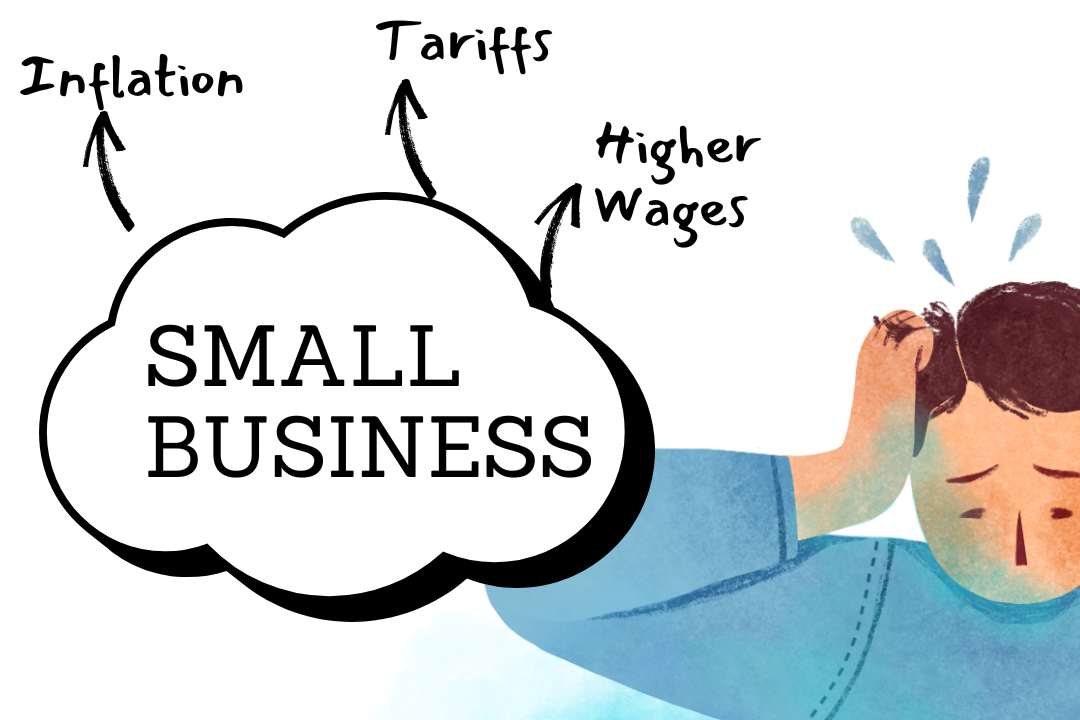
In 2025, small businesses are navigating a challenging economic landscape characterized by inflation, tariffs, and rising wages. As such, finding ways to streamline operational expenses has become a top priority. In this blog, we will explore strategies for Small Businesses to help manage costs effectively, all while maintaining quality and productivity.
1. Optimize Energy Usage
Optimizing energy usage is crucial for small businesses aiming to reduce operational costs. Start by conducting an energy audit to identify areas of improvement, and consider switching to energy-efficient equipment, such as LED lighting. Properly program thermostats and make the most of natural light to cut down on energy consumption. Encourage employees to turn off lights and electronics when they’re not in use and maintain HVAC systems regularly to ensure they operate efficiently. By focusing on reducing unnecessary energy consumption through smart practices and technology upgrades, businesses can see significant savings. Additionally, many utility companies offer energy audits and rebates for businesses that transition to more efficient systems, so be sure to take advantage of these programs to lower your monthly bills.
2. Renegotiate Contracts
To maximize savings, set calendar reminders to review vendor contracts several months before they come up for renewal. As market rates and services are constantly evolving, vendors are often willing to offer better deals to retain long-term clients. Don’t hesitate to shop around and request competitive bids, particularly for essential services like internet, phone systems, and office supplies.
Renegotiating contracts with long-standing vendors can lead to substantial cost reductions. Explore options such as volume discounts, revised payment terms, or lower service fees to save money while maintaining quality. Additionally, by revisiting the scope of services and pricing structures in service agreements, you can identify areas where expenses can be trimmed. Negotiate for reduced rates, bundled services, or more favorable cancellation terms to optimize your spending effectively.
3. Leverage Technology for Efficiency
Small businesses can significantly boost efficiency by harnessing the power of technology. Utilize tools such as cloud computing, customer relationship management (CRM) software, project management platforms, automation tools, and data analytics to streamline operations and reduce manual tasks. These technologies can enhance communication, provide valuable customer insights, and ultimately increase productivity across the organization. Prioritize tools that automate routine tasks like accounting, inventory management, and customer service to free up time and resources, allowing your team to focus on more strategic initiatives.
4. Review Insurance Policies
Many businesses find themselves overinsured or burdened with redundant coverage, which can lead to unnecessary expenses. To address this, collaborate with an independent insurance broker to audit your policies, helping you identify opportunities to consolidate or adjust coverage levels. If your company enjoys a strong cash position, consider raising deductibles, as this can significantly lower your premium costs. By streamlining your insurance policies, you can ensure that you’re only paying for coverage that aligns with your current needs.
Conduct a Policy Audit: Collaborate with an independent broker to eliminate redundant coverage and adjust policy levels.
Assess Business Changes: Ensure your insurance aligns with business growth, new assets, or services.
Stay Updated on Coverage: Regularly review your policies to ensure they meet current business needs.
Check Coverage Limits: Ensure insurance limits reflect your business’s current assets and liabilities.
Understand Exclusions: Be aware of policy exclusions, especially with any operational changes.
Stay Updated on Coverage: Regularly review your policies to ensure they meet current business needs.
5. New Inventory Management
Implementing smart inventory management is essential for reducing costs in a small business. Start by accurately tracking stock levels and utilizing demand forecasting to make informed ordering decisions. Employ a “just-in-time” (JIT) approach to prevent overordering and reduce storage costs. Regularly review slow-moving inventory to identify opportunities for optimization, and make the most of available storage space. Consider using inventory management software to automate processes and generate valuable insights. These strategies ensure you maintain optimal stock levels efficiently and cost-effectively.
6. Avoid Financial Fees
Small businesses can cut down on financial service fees by selecting the right bank account tailored to their specific needs, maintaining minimum balances, and utilizing direct deposit. Use account alerts on your mobile banking app to stay informed about account activity, preventing unexpected charges. Linking business bank accounts, when possible, can help avoid low-balance fees. It’s essential to shop around for competitive rates on merchant services and banking fees, as many financial institutions offer specialized business packages that can save you thousands annually. Additionally, consider switching to online banking services, which typically charge lower fees compared to traditional banks.
7. Adapt Preventive Maintenance
Investing in preventive maintenance can significantly reduce costs for small businesses by allowing them to address potential equipment issues before they escalate into major breakdowns. This proactive approach not only minimizes the expense of emergency repairs but also extends the lifespan of assets, leading to substantial long-term savings. Published surveys highlight that preventive maintenance can reduce costs by 12–18% and offer an impressive 400% return on investment. While setting aside resources for maintenance may involve short-term costs, the long-term benefits make it a worthwhile investment.
8. Focus on Employee Retention
Employee turnover can be costly, with expenses varying based on the employee and your company’s structure. According to the Society for Human Resource Management (SHRM), replacing an employee typically costs between half to three-quarters of their annual salary. For example, replacing an employee earning $50,000 a year could cost your business approximately $25,000 to $37,500 when factoring in recruiting, training, and lost productivity. To mitigate these costs, focus on retaining your workforce by investing in competitive benefits, professional development opportunities, and fostering a positive work culture. Satisfied employees are not only more productive but also less likely to leave, thereby reducing the long-term financial burden associated with frequent staffing changes.
9. Free marketing via Social Media
Small businesses can effectively cut marketing costs by leveraging social media platforms to organically reach their target audience. By consistently creating content, engaging with followers, and strategically employing built-in features, businesses can minimize reliance on costly traditional advertising methods. Social media marketing offers a powerful way to connect with audiences through platforms like Facebook, Instagram, Twitter, and LinkedIn, providing an impactful and cost-efficient avenue for promotion and engagement.
10. Avoid Penalties, Liabilities and Legal fees
Small businesses can substantially reduce costs by prioritizing compliance with relevant state and federal regulations, thereby avoiding penalties, legal fees, and potential liabilities. This proactive strategy involves understanding applicable laws, implementing robust compliance systems, and regularly training employees on compliance procedures. Conducting internal audits and seeking expert guidance when necessary further strengthens this approach. By focusing on prevention rather than reacting to compliance issues after they arise, businesses can safeguard themselves against unnecessary financial burdens. Creatine employee handbook makes employees make aware of company policies and possibly reduces employers liabilities. Labor Law posters are essential in avoiding any penalties and fee(s).
Utilize a compliance platform like hrdeck.com to manage compliance paperwork and conduct training. This approach can reduce compliance costs. By maintaining compliance, you avoid penalties, liabilities, and legal fees, while also protecting your company’s reputation.
Conclusion
In 2025, small businesses must navigate economic challenges with strategic foresight and adaptability. By optimizing resource usage, leveraging technology, negotiating contracts wisely, and focusing on employee satisfaction and compliance, businesses can effectively manage costs without sacrificing quality or productivity. Adopt these strategies to build a resilient and financially sound operation that can thrive in today’s competitive market.
HRdeck is a comprehensive compliance and policy management platform designed specifically for HR teams and small businesses. Stay compliant, protect your company from penalties and liabilities, and safeguard your reputation with HRdeck platform.
try hrdeck.com today!
References
[1] https://www.forbes.com/sites/rohitarora/2025/02/16/7-ways-businesses-can-cut-costs-while-maintaining-quality-and-service/
[2] https://www.bill.com/blog/audit-expenses
[3] https://www2.nrel.gov/buildings/small-businesses